
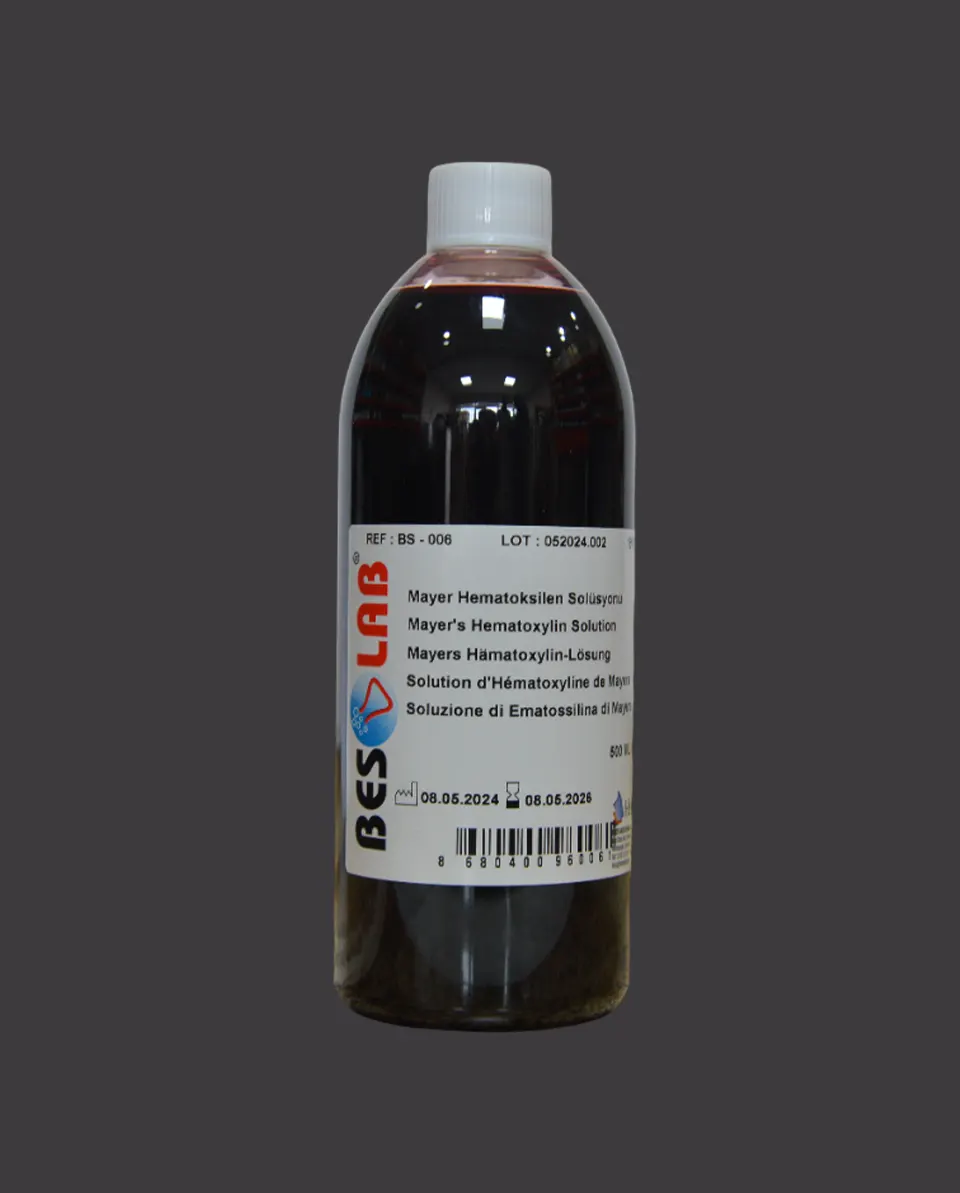
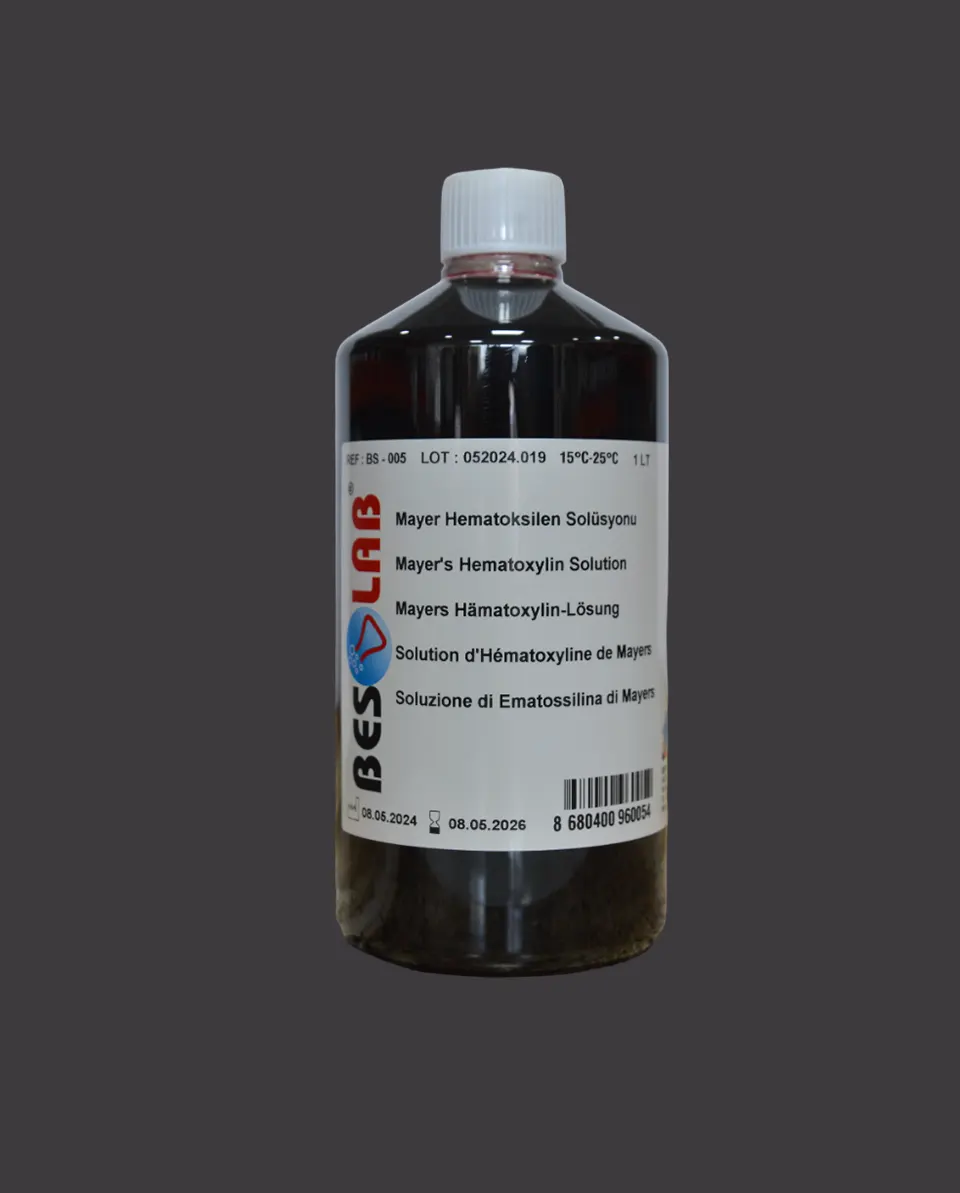
Mayer Hematoxylin Solution
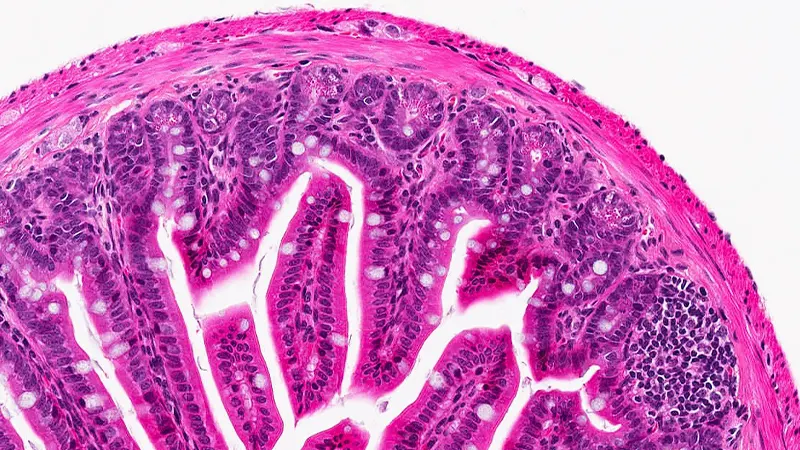
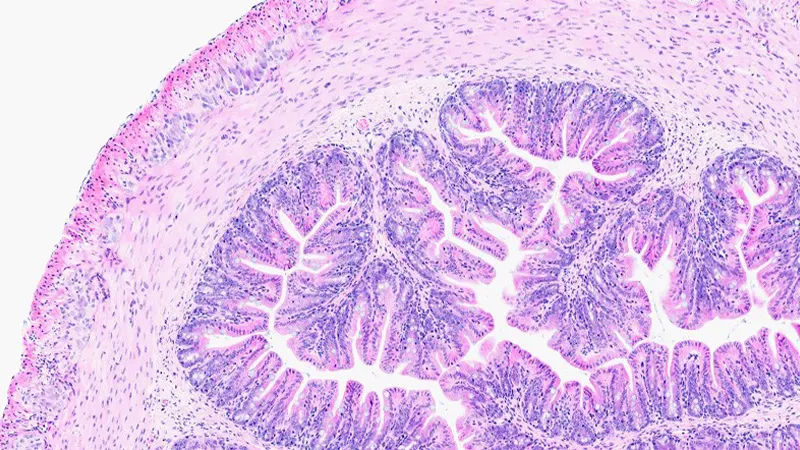
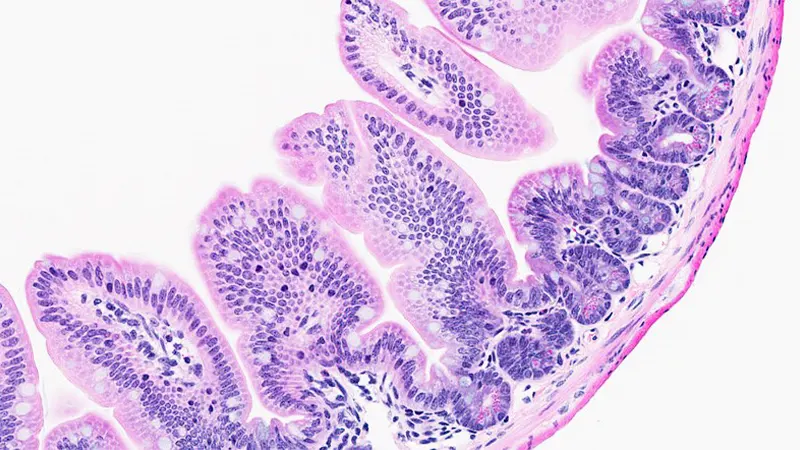
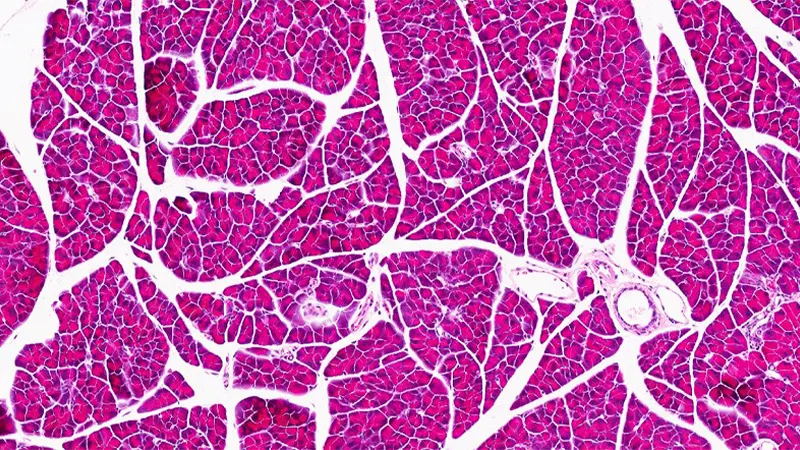
Mayer's hematoxylin is one of the types of hematoxylin normally used in hematoxylin-eosin stains. The staining pattern is progressive, meaning that the longer it remains in the staining solution, the more staining is achieved in the tissue. Specifically, Mayer's hematoxylin has a very specific effect on the nucleus when a progressive process is used, especially in cases where a nuclear stain is required to highlight a cytoplasmic component, which is demonstrated by a special stain and which acid/alcohol differentiation may destroy . or may cause discoloration of the stained cytoplasmic component. It is used as a nuclear dye to display glycogen in various histochemical enzymatic techniques. Mayer's hematoxylin is usually used stepwise, but can also be used retrospectively. In progressive staining, the sample is stained to the point of interest of the operator, either by checking it under a microscope or simply by standardizing it according to the staining time. The color obtained after staining is burgundy-red instead of the classical blue-violet expected in preparations stained with hematein. At acidic pH, hematein is red, but at slightly basic pH, its color changes to blue-purple. This phenomenon is called "bluing" and can be achieved by coating the preparation with slightly alkaline solutions or, more commonly, with cheap and convenient tap water. At this point, a large number of cell nuclei will appear in the preparation and it will be very difficult to distinguish which cell they belong to. It becomes necessary to use contrast dye to stain structures not marked by hematein. Eosin is the most common because it stains cytoplasms, cell matrices, and erythrocytes, among others, providing a wide range of pink and red hues.
|
Product Description |
Packaging Type |
Catalog Number |
|
Mayer's Hematoxylin |
1000 ml |
BS-001 |
|
500 ml |
BS-002 |
You can contact us for your product requests.
You can contact us for your MSDS form requests.
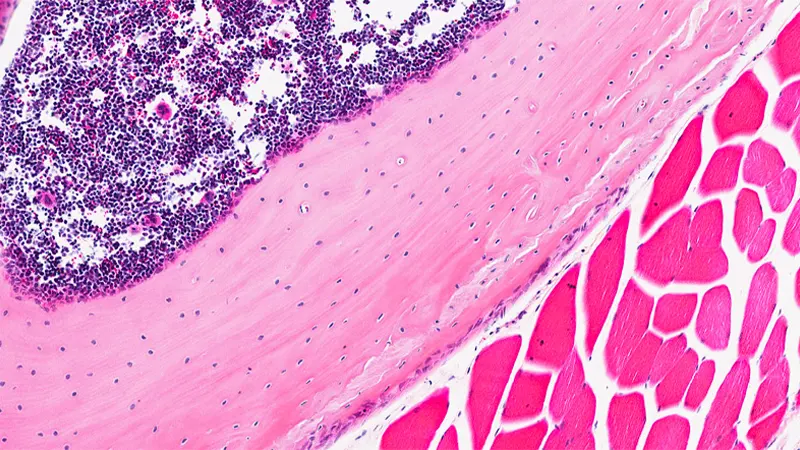
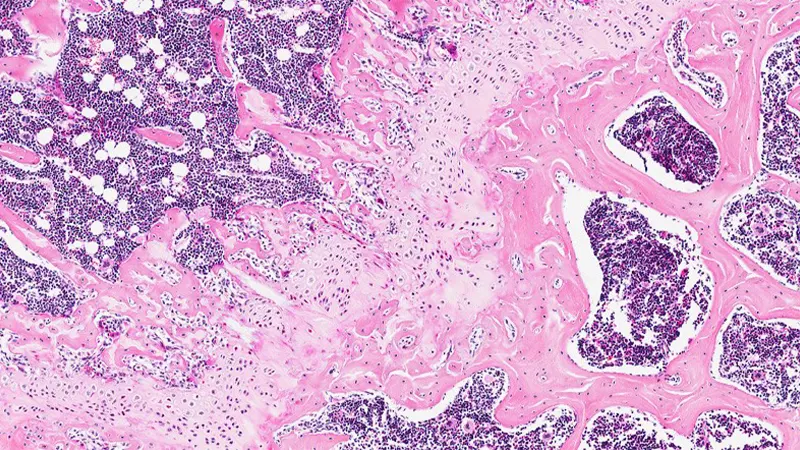
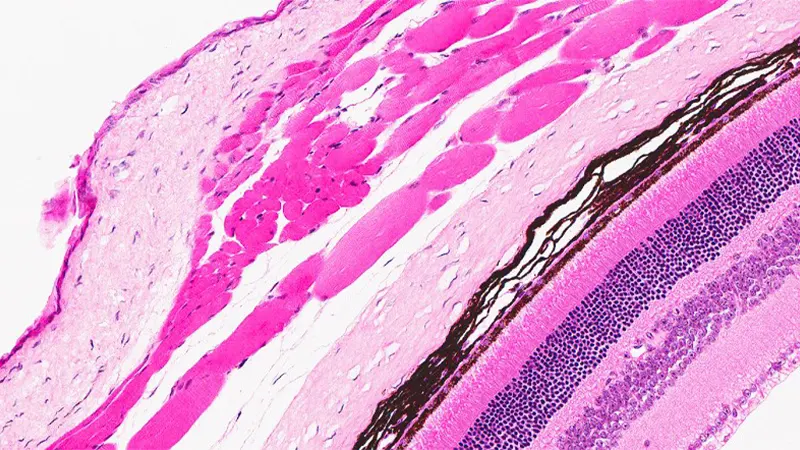
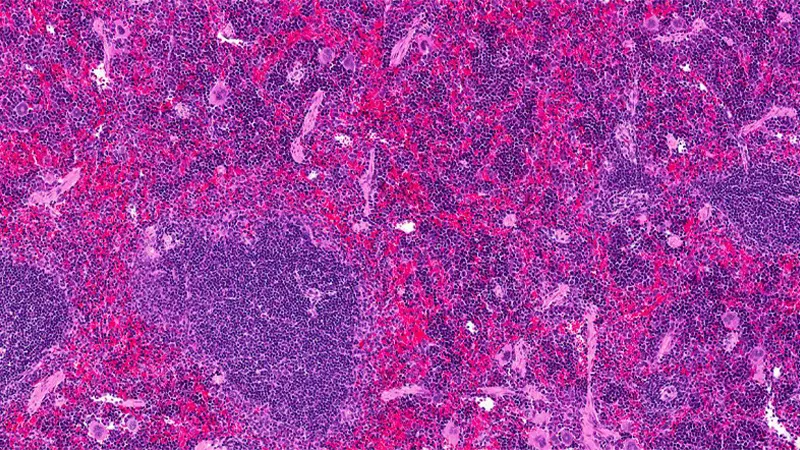
Beslab™ Mayer Hematoxylin Solution Painting Samples